
Become a Clinical Mental Health Counselor in Wyoming: Full 2026 Guide
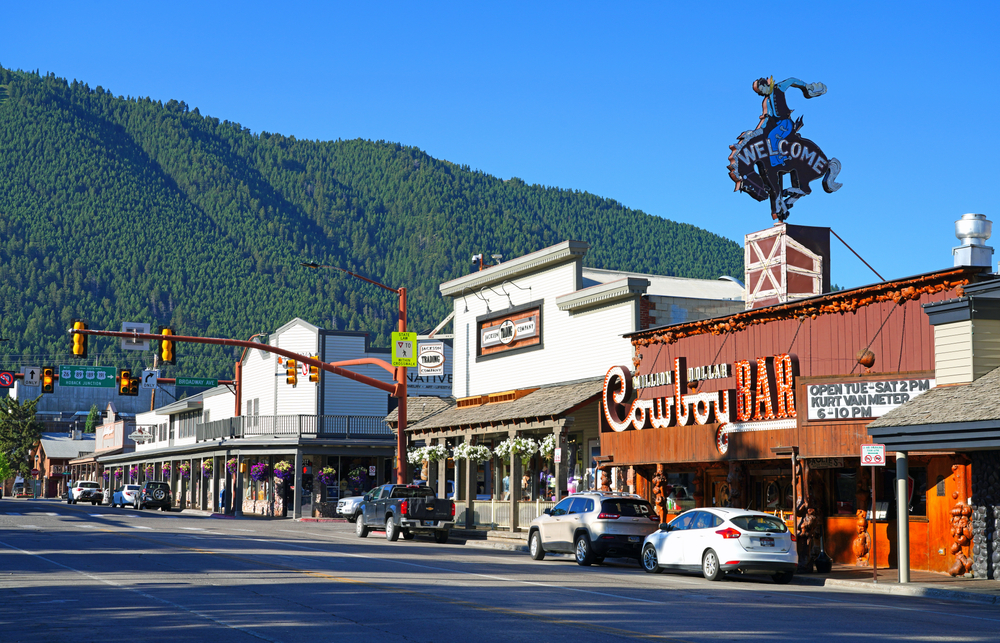
Want to become a clinical mental health counselor in Wyoming? The career outlook looks promising. Wyoming’s counseling sector employs over 1,300 professionals as of May 2021. Substance abuse, behavioral disorder, and mental health counselors earn $61,840 on average per year. Some counselors earn substantially more in specific locations – Rock Springs counselors make around $79,078 annually.
Licensed professional counselors have excellent job prospects in Wyoming. The state currently has 820 substance abuse, behavioral disorder, and mental health counselors. This field should grow by 20.6% through 2030. Counselors can expect about 160 job openings each year. The state’s growing demand shows in the numbers – 176 new professional counseling licenses were issued in 2022.
This piece guides you through every step to become a clinical mental health counselor in Wyoming. You’ll learn about education requirements, licensing processes, job opportunities, and credential maintenance. The information here helps both newcomers and experienced counselors who plan to practice in Wyoming. Your path to this rewarding profession starts here.
Types of Licensure in Wyoming
Wyoming has a well-laid-out system of mental health counseling licensure that affects how you can practice in the state. You need to understand these differences if you want a career as a clinical mental health counselor.
Wyoming is a Practice Act and Title Protection state. This means you must get proper licensure to provide specific mental health services and use certain professional titles. State regulations prohibit offering these services without the right credentials.
The Wyoming Mental Health Professions Licensing Board manages several counseling credentials. Each credential is designed for specific areas of mental health practice:
Licensed Professional Counselor (LPC) is the main credential for clinical mental health counselors in Wyoming. This license lets you provide many counseling services, including diagnosis and treatment of mental disorders. You must have a master’s or doctoral degree in counseling, complete supervised clinical hours, and pass a national examination.
Provisional Professional Counselor (PPC) works as an interim credential while you work toward full licensure. You can practice under supervision as a provisional licensee while completing the clinical experience needed for the LPC credential.
Licensed Marriage and Family Therapist (LMFT) focuses on mental and emotional disorders within marriage, couples, and family systems. You need a graduate degree in marriage and family therapy and specific clinical practice hours.
Licensed Addiction Therapist (LAT) specializes in assessment, diagnosis, and treatment of addiction disorders. This license requires a mental health background plus specialized training in substance abuse counseling.
Licensed Clinical Social Worker (LCSW) lets practitioners assess and treat mental health conditions within a social context. You need a master’s degree in social work and supervised clinical experience.
The state also offers many more addiction counseling credentials. These include Certified Addictions Practitioner Assistant (CAPA) and Certified Addictions Practitioner (CAP). These credentials are entry points into addiction counseling with different levels of responsibility.
Each credential has its own examination requirements. LPC candidates must pass either the National Counselor Examination (NCE), the National Clinical Mental Health Counselor Examination (NCMHCE), or the Certified Rehabilitation Counselor (CRC) examination. Addiction counseling credentials need different examinations based on the specific licensure level.
Wyoming provides a “licensure by reciprocity” pathway for counselors licensed in other states. Qualified professionals can transfer their credentials to Wyoming, though some might need extra supervised hours under a provisional license.
Some professionals can practice without Wyoming licensure. These exemptions include qualified members of other legally recognized professions with their own state licenses, students in supervised practicum or internship programs, properly licensed nonresidents practicing less than 30 days per year, religious counselors performing duties within their ministerial role, and unpaid volunteers approved by their organizations.
Your journey to become a fully licensed clinical mental health counselor usually starts with provisional licensure. You complete supervised experience requirements and end up with independent practice authority once you meet all criteria.
Earn Your Degree
Getting your degree is a vital first step to becoming a clinical mental health counselor in Wyoming. The state sets specific educational requirements that you must meet before you can apply for licensure.
Wyoming requires you to complete at least a master’s degree in counseling from a program with accreditation from recognized bodies like the Council for Accreditation of Counseling and Related Educational Programs (CACREP) or the Council on Rehabilitation Education (CORE). Your program can qualify for licensure even without these accreditations if it has recognition from the Council for Higher Education Accreditation (CHEA).
Students graduating after July 1, 2013, need to complete at least 60 semester hours of graduate-level coursework in Wyoming. Programs should line up with CACREP standards and cover these core areas:
- Human growth and development
- Social and cultural diversity
- Helping relationships
- Group work
- Career development
- Assessment
- Research and program evaluation
- Professional orientation and ethical practice
Your education needs hands-on clinical experience. Wyoming asks for at least 100 hours of supervised practicum and 600 hours of internship. This practical training is a must-have part of getting your license.
The University of Wyoming offers a 61-credit Master of Science degree in counseling that focuses on mental health. This CACREP-accredited program keeps classes small and includes clinical work to prepare you for jobs in community agencies, hospitals, addiction treatment centers, and private practice.
UW students get real experience at the on-campus WellSpring Counseling Clinic. They complete practicum hours while helping individuals, groups, and couples. This hands-on training helps you move naturally from school to professional work.
Working professionals might like UW Casper’s hybrid program. It mixes online classes with weekend sessions at the Casper campus. You can keep your full-time job while studying. Students move through the program as a group, usually finishing in three years.
CACREP-accredited programs give you clear advantages. Students from these programs score better on the National Counselor Examination than those from non-accredited schools. The Department of Veterans Affairs recognizes these graduates as mental health specialists.
You can earn your Licensed Professional Counselor status in Wyoming with an online counseling degree if your program meets accreditation standards. Just remember that online programs still require supervised clinical hours to meet state requirements.
After finishing your degree, you’ll take the national counseling exam chosen by the licensing board. You’ll also need to complete supervised clinical hours after graduation. These steps will get you ready to apply for your professional license in Wyoming.
Get Licensed
Your path to becoming a clinical mental health counselor in Wyoming starts right after completing your master’s degree. The Wyoming Mental Health Professions Licensing Board manages all counseling credentials and ensures practitioners meet professional standards.
The board requires a detailed application package. Application processing takes 2-3 weeks after receiving all materials. Background check reports might add another 3-5 weeks to this timeline. The board communicates directly with applicants about their application status.
These requirements must be met to qualify as a professional counselor in Wyoming:
- Be at least the age of majority
- Have no felony convictions or misdemeanor convictions that could affect counseling practice (public interest exceptions may apply)
- Complete 3,000 hours of supervised clinical experience, with at least 100 hours of face-to-face individual clinical supervision from a qualified clinical supervisor
- Pass an approved professional counseling examination
You must complete one of these examinations:
- National Counselor Examination (NCE)
- National Clinical Mental Health Counseling Examination (NCMHCE)
- Certification Examination administered by the Commission on Rehabilitation Counselor Certification (CRCC)
The board will send exam registration information after receiving your application. Examination providers typically take 2-8 weeks to report scores directly to the licensing board.
Candidates have three attempts to pass the exam. The board might allow one more attempt if they approve a remediation plan.
Many new counselors start with provisional licensure while they complete supervised practice requirements. A Provisional Professional Counselor (PPC) license lets you practice under supervision as you work toward full licensure. This credential lasts 36 months unless extended with good reason.
The application process includes a criminal background check and proof of U.S. citizenship or legal residency. Licensure costs $350 to apply, and renewal fees are $125 every two years.
Licensed counselors from other states can apply through reciprocity. This option needs verification that their previous state’s requirements match or exceed Wyoming’s standards.
Keeping up with requirements might seem daunting. The licensing board offers detailed application checklists on their website. You can track received documents through their Application Status Report feature.
Licensed Professional Counselors must complete 45 hours of continuing education every two years to maintain their credentials. One academic semester credit counts as 15 hours of continuing education. You can earn up to six hours by giving professional presentations.
Find Employment
Your Wyoming clinical mental health counselor’s license opens up many job opportunities. The job outlook looks bright with a 24% growth expected from 2022 to 2032. This is a big deal as it means that the state will need about 80 new counselors each year.
Wyoming counselors earn good money. The median yearly salary stands at $61,640, which beats the national figure of $59,190. Your pay could start at $36,110 and climb up to $102,550 as you gain experience. Some roles pay even better – licensed mental health therapists at Headway can make $95-$131 per hour.
Licensed professional counselors can work in a variety of settings. Here’s where you might find your next role:
- Healthcare Organizations: Hospitals, substance abuse treatment centers, and mental health facilities need qualified counselors.
- Educational Institutions: The University of Wyoming’s counseling center brings therapists on board to help students.
- Government Agencies: The Wyoming Department of Corrections offers competitive pay ($35.60 hourly) in their Field Services Division.
- Private Practice: Many counselors run their own practices, especially when you have platforms like Headway that make insurance billing easier.
- Remote Opportunities: Telehealth jobs let you work flexibly and serve clients online.
New graduates often become mental health therapists, private counselors, vocational rehabilitation counselors, or behavioral health clinical therapists. Most employers sweeten the deal with good benefits. State jobs, for example, come with health insurance, retirement plans (14.94% employer contribution), vacation time, and sometimes even cover your tuition.
Wyoming had about 710 mental health counselors in 2022, and this number should reach 880 by 2032. The state will still be short by around 30 full-time counselors by 2030. This shortage creates great opportunities for newcomers to the field.
The current workforce gaps mean employers value licensed counselors who show strong clinical skills, whatever their training background. Once you complete your license requirements, you can look forward to stable work and competitive pay.
Remain Compliant
Your Wyoming counseling license needs regular attention to stay compliant. The Wyoming Mental Health Professions Licensing Board requires all counseling licenses and certificates to expire every two years on the holder’s birth date. You need to understand these renewal steps to keep practicing without interruption.
The license renewal process requires 45 hours of continuing education during each two-year period. These hours must include specific mandatory topics:
- 3 hours in professional ethics
- 3 hours in suicide assessment and intervention
Licensed Addiction Therapists (LATs), Certified Addiction Practitioners (CAPs), and Certified Addiction Practitioner Assistants (CAPAs) must complete 15 additional hours focused on addiction topics.
Not every professional development activity counts as continuing education. Your courses must have meaningful intellectual or practical content, and the main goal should be to enhance your competence within each licensed or certified discipline. Business-related training like Basic Life Support, Drugs in the Workplace, or HIPAA won’t count toward the required 45 CEUs.
Wyoming doesn’t review or approve continuing education courses beforehand. You must make sure your courses meet the criteria outlined in Chapter 14 of the state Rules and Regulations.
Since July 2021, you need to submit fingerprints with your renewal application every four years. The process usually takes 3-5 weeks, so submit your renewal early to avoid practice interruptions.
Your renewal fees depend on your credential type and background check requirements. Licensed counselors pay $168 with a background check or $129 without it. Certified practitioners pay $143 with a background check or $104 without.
Missing your license renewal deadline means you must stop practicing immediately. Wyoming doesn’t allow grace periods for late renewals. You’ll need to apply for relicensure or recertification, and might have to retake the required examination if your credential has expired for more than five years.
Following these compliance requirements helps you maintain your professional status as a clinical mental health counselor throughout your Wyoming career.
Next Steps
A career as a clinical mental health counselor in Wyoming brings both personal satisfaction and great growth potential. You’ve seen the impressive job market stats – 20.6% growth expected through 2030 with about 160 jobs opening up each year. The pay is attractive too. You can earn an average of $61,840 annually, and experienced counselors can make over $100,000.
Your trip to becoming a counselor starts with a master’s degree in counseling from an accredited program. CACREP recognition is your best bet. The coursework covers everything in human development, ethical practice, and assessment. You’ll also need hands-on clinical experience. After graduation, you’ll work 3,000 hours under supervision with a provisional license and pass one of the approved national exams.
Licensed counselors have plenty of job options. You can work in healthcare, schools, government agencies, or start your own practice. The current shortage of mental health professionals gives new practitioners a real advantage in the field.
Your license needs regular upkeep. You’ll need 45 hours of continuing education every two years, which includes required training in ethics and suicide assessment. The license needs renewal every two years, and fingerprinting is mandatory every four years.
Becoming a licensed counselor takes steadfast dedication. But you’ll build a career that changes lives while giving you job security and room to grow. The rising demand for mental health professionals in Wyoming makes this the perfect time to start this rewarding career.